Sound Design for Corporate Video: The Strategic Layer of Visual Trust
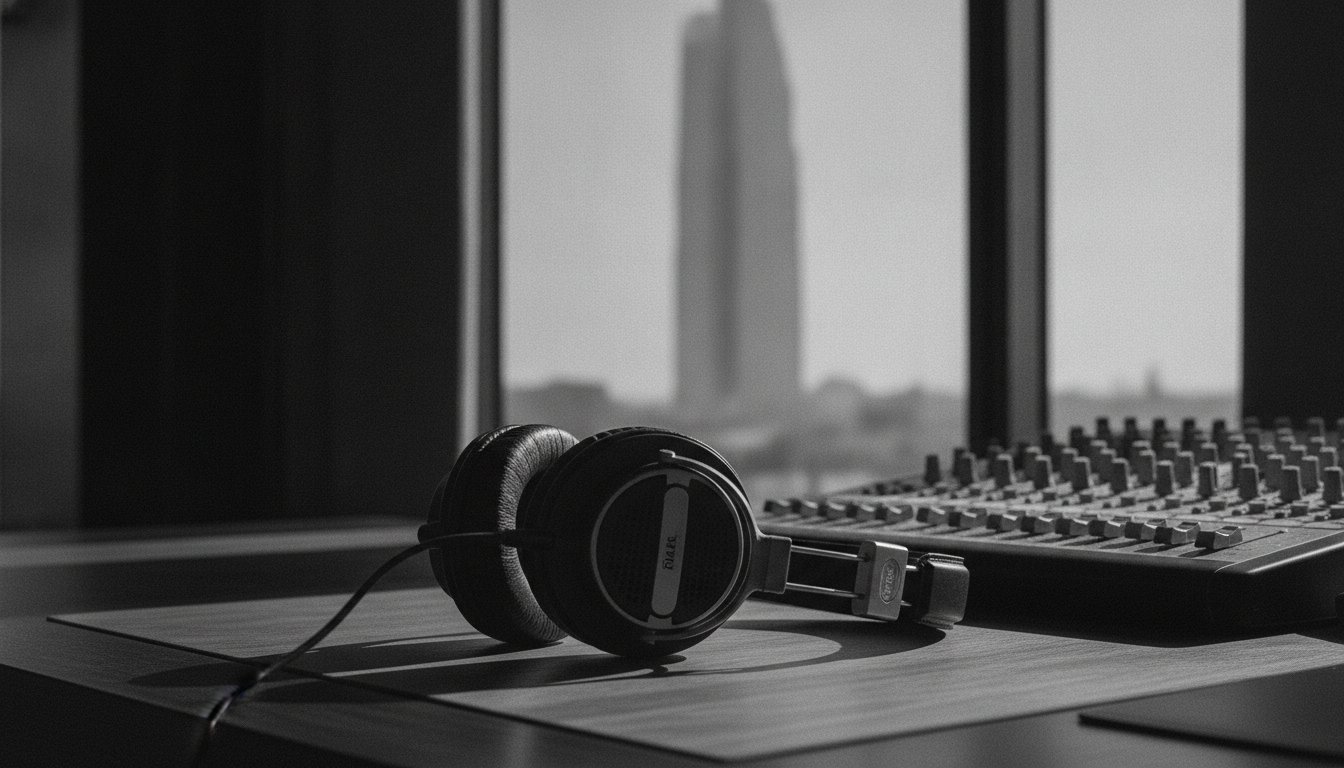
Did you know that brands with a well-defined audio identity see 8 times higher brand recall? For a marketing lead focused on brand impact or a crypto founder navigating VARA regulations, this data point isn't just a curiosity; it's a strategic roadmap. You've likely felt the frustration of reviewing a high-end motion graphics piece that looks flawless but feels strangely hollow. The missing link is often professional sound design for corporate video, a layer that acts as the psychological foundation of trust. Without it, even the most expensive visuals can't stop an audience from dropping off in those first ten seconds.
We understand the pressure to deliver content that's both compliant and persuasive in the competitive UAE market. You'll learn how intentional audio transforms a generic asset into a tool for brand authority and long-term retention. This guide covers the technical nuances of loudness standards for global platforms, the role of custom audio in clarifying complex financial concepts, and a framework for ensuring your post-production reflects the minimalist elegance your brand represents.
Key Takeaways
- Understand why intentional sound design for corporate video acts as the emotional glue that prevents early audience drop-off and builds brand authority.
- Discover how specific frequencies and grounded tones communicate stability and professional reliability in high-stakes sectors like fintech and crypto.
- Learn how foley and atmospheric textures create a human-centric narrative that feels intimate and polished rather than generic.
- Use a strategic framework to define an "Audio North Star" during the planning phase to ensure every sound aligns with your brand values.
- View post-production as a sophisticated act of realization that secures your content ROI rather than a mere finishing task.
Beyond Background Music: Defining Sound Design for Corporate Video
Sound design for corporate video is the intentional curation of every auditory element within a project. It's a strategic layer of post-production that dictates how an audience perceives brand authority and professional reliability. While visuals capture the initial gaze, sound directs the emotional response and narrative flow. It acts as the glue that connects visual transitions and narrative beats, transforming a generic asset into a high-stakes tool for retention. This process isn't about filling silence; it's about building a bespoke auditory environment that mirrors your brand's core values. Every footstep, digital notification, and atmospheric hum is a deliberate choice made to reinforce the viewer's confidence in the narrative.
Implementing a strategic approach to sound design for corporate video allows you to distinguish between stock music and a designed soundscape. Stock tracks are often generic band-aids that fail to align with a specific corporate narrative. In contrast, a bespoke soundscape is a deliberate composition of elements that respect the rhythm of the edit. It creates a reading experience for the ears that is both impactful and reflective, allowing the core message to stand alone without being lost in auditory clutter. This level of detail is what separates an amateur attempt from a professional brand realization. It ensures that the final delivery feels like a profound act of realization rather than a mere aesthetic change.
The Components of a Professional Soundscape
A sophisticated audio environment is built from several foundational layers. Foley sound effects provide tactile realism, ensuring that a digital transaction or a physical interaction feels grounded and authentic. Atmospheric sound establishes the psychological space, creating the "room tone" that makes an executive interview feel intimate. Finally, voice-over and dialogue are treated to ensure maximum presence in the mix. They must convey a sense of quiet confidence, especially when communicating complex concepts in the fintech or crypto space.
Why Visuals Alone Often Feel Incomplete
There's a specific "uncanny valley" in live-action video production where high-quality visuals fail because the audio doesn't match the standard. If the image is crisp but the sound is thin, the viewer's brain detects a lack of integrity. Trust erodes instantly. Professional sound design masks technical imperfections and creates a seamless viewing experience by smoothing over visual cuts. This balance is essential for maintaining audience attention beyond the first ten seconds, directly impacting the content's ROI.
The Architecture of Audio Trust in High-Stakes Sectors
Trust is the primary currency in fintech and crypto. In these sectors, your audience isn't looking for entertainment; they're looking for evidence of stability. Sound design for corporate video provides this evidence by anchoring abstract digital concepts in physical reality. Using deep, grounded frequencies conveys a sense of institutional security. It's a psychological cue that suggests your brand is established and reliable. Conversely, aggressive, high-energy tracks often trigger immediate skepticism in sophisticated investors. These loud, fast-paced auditory choices can feel like a mask for a lack of substance. True authority speaks with a calm, deliberate resonance.
Achieving Narrative Harmony in Sound Design ensures that the auditory layer never competes with the visual narrative. Instead, it supports it. This consistency is vital when executing intentional visual storytelling. If your visuals project minimalist elegance but your audio feels cluttered, the brand message fractures. Each sound must have a purpose. Each silence must have a reason.
Sound Design for Fintech and Crypto Brands
Complexity is the enemy of trust. When using motion graphics to explain decentralized finance or cryptographic protocols, sound design acts as a guide. Subtle auditory cues can highlight key data points, making the information easier to digest. In regulated environments like the UAE, where VARA and ADGM frameworks demand clarity, "clean" sound is a compliance-friendly asset. It ensures that the core message isn't obscured by unnecessary noise. This creates an audio identity that feels permanent rather than ephemeral. It signals that your brand is here for the long term.
The ROI of High-Quality Audio Mixing
Audio quality is the most immediate indicator of production value for CMOs. A single distracting sound or a poorly balanced mix can break brand immersion and lead to immediate audience drop-off. Professional mixing increases retention rates by reducing listener fatigue. It allows the viewer to focus on the message without their brain working to filter out background hiss or uneven levels. High-quality mixing ensures that your content remains accessible and professional across all devices. If you're ready to refine your brand's auditory presence, we can help you explore a more intentional approach to your next production.
Foley, Atmos, and SFX: Building a Professional Corporate Narrative
Building a sophisticated narrative requires more than just a clean voice-over. It demands an environment where the viewer feels physically present. This is where sound design for corporate video shifts from a technical necessity to an act of realization. By layering foley, atmospheric textures, and precise sound effects, we create a sensory experience that grounds your brand’s story in reality. It’s about the subtle details that the audience doesn't consciously notice but would certainly miss if they were absent. These layers provide the "tactile" quality that high-end brands require to feel authentic.
Professional editors prioritize "breathing room" in the mix. Constant noise is exhausting. By using silence strategically, we allow the most important messages to resonate. This balance ensures that when a sound does occur, such as a subtle visual reveal in a motion graphics piece, it carries maximum impact. It’s a minimalist approach to audio that mirrors the spaciousness of high-end brand design. This deliberate pace respects the viewer’s time and intelligence, fostering a sense of ease and trust.
Tactile Realism with Foley
Foley adds a layer of human-centric realism to live-action video production. It involves the recording of everyday sounds like the soft click of a laptop closing, the rustle of a suit jacket, or footsteps on a polished floor in a DIFC office. These sounds are often recorded separately and layered back in to ensure clarity. When foley is successful, it remains unnoticed. It simply makes the scene feel "right." In an industrial setting, foley can emphasize the precision of machinery, reinforcing a narrative of technical excellence without saying a word.
Atmospheric Textures and Brand Mood
Atmos, or atmospheric sound, creates the "room tone" that makes interviews feel intimate and grounded. Without it, an interview can feel sterile or detached. We use low-end textures to create a sense of scale and importance, especially for brands aiming for a sophisticated aesthetic. Atmos also helps bridge transitions between different filming locations, such as moving from a quiet boardroom to a bustling tech hub. It maintains a consistent audio "space" that prevents the viewer from being jolted out of the experience. This continuity is essential for keeping audience retention high during longer corporate features.
In motion graphics, SFX serve a different purpose. They punctuate data points and visual reveals. When a graph scales or a key statistic appears, a subtle auditory cue aids information retention. It signals to the viewer that this specific moment matters. This strategic use of sound design for corporate video ensures that your complex financial data isn't just seen, but felt and remembered.
Strategic Sound Direction: A Framework for Marketing Leads
Sound design for corporate video shouldn't be a rescue mission in the final hours of editing. It begins much earlier, ideally during the explainer video production planning phase. By integrating audio strategy into the storyboard, you ensure the soundscape is an intentional layer rather than a decorative one. This foresight prevents the "Stock Music Trap," where a generic track is forced onto a sophisticated narrative. Instead, prioritize bespoke or highly curated assets that reflect your brand’s specific weight and purpose. A curated approach ensures that every auditory element serves a strategic function.
We recommend defining an "Audio North Star" at the start of every project. This is a core emotional tone that aligns with your broader brand strategy. Is the brand voice a steady, grounded mentor or a visionary disruptor? Once this is established, evaluate the mix across the environments where your audience actually lives. A mix that sounds impressive on professional studio monitors might lose its impact on mobile speakers or in a large conference room in Downtown Dubai. Testing on multiple devices ensures that the sense of trust and authority remains consistent, regardless of how the content is consumed.
How to Brief a Sound Designer
Briefing is a collaborative act of realization. Instead of focusing on technical specs, describe the emotional journey you want the viewer to take. Use reference tracks that mirror your brand’s quiet confidence and minimalist elegance. This allows the designer to understand the desired "spaciousness" and rhythm of the piece. Identify key visual moments that require auditory emphasis, such as logo reveals or critical data peaks. This ensures the sound design for corporate video highlights the most important takeaways rather than competing with them for attention. A well-briefed designer becomes a strategic partner in your brand's evolution.
Evaluating the Final Mix
When reviewing the first draft, try the "Eyes Closed" test. Does the story still make sense through audio alone? If the narrative beats feel lost without the visuals, the soundscape isn't doing its job as a narrative foundation. Check for absolute clarity in the voice-over. In the fintech-crypto space, messaging must be unmistakable to meet compliance requirements and build investor confidence. The audio should never obscure the facts; it should provide the grounded foundation that makes complex information feel secure and professionally reliable. This final check ensures your asset is ready for high-stakes delivery.
Post-Production Excellence: Integrating Sound into Final Delivery
Sound design for corporate video is the final, profound act of realization. It's the moment where fragmented visual elements, complex motion graphics, and raw data points converge into a singular, sophisticated brand asset. At Kynda Creative, we don't view post-production as a technical checklist or a simple hand-off. It's a boutique process where every detail, from the nuance of color grading to the tactile realism of foley, is handled with protective intentionality. This ensures your final delivery isn't a mere video; it's a strategic tool designed for longevity in the competitive UAE market.
Moving from raw footage to a polished external solution requires more than a vendor. It requires a mentor who understands the emotional journey of professional development. We position our clients as the central figures in this creative evolution. A collaborative relationship between the agency and the marketing lead is essential. It allows us to translate your internal brand values into a narrative that resonates with the results-driven CMOs of the DIFC and beyond. This relationship fosters a sense of ease that is vital when navigating the complexities of regional growth.
The Kynda Creative Approach to Sound
Our philosophy centers on minimalist elegance and rhythmic balance. We reject aggressive productivity tropes and fleeting audio trends that can make a high-stakes brand feel dated within months. Instead, we prioritize authentic narratives through detail-oriented sound editing. This protective approach ensures your message remains clear, grounded, and immune to the noise of the digital space. By focusing on the core nature of a project, we create a soundscape that supports the brand's purpose without relying on loud self-promotion. It's about achieving a sense of quiet confidence that speaks volumes to sophisticated investors in the fintech and crypto sectors.
Next Steps for Your Corporate Video
Refinement begins with an honest assessment of your existing content. Audit your current video assets for "audio trust" gaps. Does the sound reinforce your brand authority, or does it feel like an afterthought? You might find that high-quality visuals are being undermined by generic audio choices that trigger skepticism. Consulting with a creative director can help you see how intentional sound can mature your next project and align it with the transparency standards required by VARA or ADGM. This transition from identifying challenges to presenting polished solutions is handled with a grace that makes the process feel natural.
Realizing the Auditory Depth of Your Narrative
Your brand’s visual identity is only half the story. As we’ve explored, sound design for corporate video serves as the psychological anchor that secures audience trust and clarifies complex value propositions. By prioritizing intentional foley, atmospheric textures, and strategic frequency choices, you move beyond generic assets toward a profound act of realization. This level of detail is essential for high-stakes fintech and crypto brands navigating the rigorous standards of the UAE market.
Kynda Creative specializes in this intersection of artistic expression and professional strategy. Our boutique approach to post-production ensures that every frame and every frequency aligns with your core mission. Whether you're integrating complex motion graphics or live-action storytelling, we act as a protective mentor for your brand's authentic narrative. We're here to help you move from identifying internal challenges to delivering polished, external solutions that resonate with impact and longevity.
The journey toward a more sophisticated digital presence is a collaborative one. We look forward to helping you realize the full potential of your brand’s voice.
Frequently Asked Questions
What is the difference between music and sound design?
Music provides the emotional backdrop, while sound design for corporate video encompasses the entire auditory environment. It includes foley, atmospheric textures, and SFX that ground the visuals in reality. While music sets the mood, sound design provides the narrative structure and tactile realism that builds trust. It is the difference between a background track and a bespoke soundscape that mirrors your brand’s intentionality and purpose.
Is sound design necessary for a simple corporate interview?
Yes, because even a simple interview requires atmospheric room tone to feel intimate and professional. Without it, the audio feels sterile or detached from the physical space. Proper sound design ensures the voice-over is the hero of the mix, removing distracting background noise while maintaining a natural, grounded feel. This attention to detail is what signals production value and institutional stability to a sophisticated audience.
How does sound design affect video engagement and retention?
High-quality sound design significantly boosts retention by reducing listener fatigue and creating an immersive experience. When audio is poorly mixed, the brain works harder to process information, leading to early drop-off. Research indicates that brands with a well-defined audio identity see 8 times higher brand recall. By aligning sound with visual transitions, you guide the viewer through the narrative with a sense of ease and clarity.
Can I use stock music instead of professional sound design?
Stock music is a single element, but it cannot replace the strategic layer of professional sound design. A generic track often lacks the rhythmic balance and specific cues needed to highlight your brand’s unique narrative beats. Professional design involves curating every sound to match your brand’s minimalist elegance. This protective approach ensures your content doesn't feel like a generic asset, but a bespoke act of realization.
How much time should be allocated for sound design in post-production?
Typically, you should allocate 15% to 20% of your total post-production timeline to sound design and mixing. This allows for the layering of foley, atmos, and bespoke SFX that ground the project. For complex motion graphics in the fintech space, this phase may take longer to ensure every auditory cue aligns with visual reveals. Rushing this step often results in a hollow final product that lacks authority.
What happens if the audio quality of my video is poor?
Poor audio quality is the most immediate indicator of amateur production and can instantly erode brand trust. Even with 4K visuals, distorted or thin audio triggers skepticism in sophisticated viewers. In the UAE's high-stakes fintech market, technical glitches suggest a lack of professional reliability. It breaks the immersion and forces the audience to focus on the technical flaws rather than your strategic brand message.
How do I know if my corporate video needs foley or atmos?
Almost every professional video requires atmospheric sound to establish a sense of place and scale. If your visuals include physical actions like typing, footsteps, or closing doors, foley is essential to provide tactile realism. Without these layers, the video feels like it exists in a vacuum. If the goal is to create a human-centric narrative that feels established and grounded, these auditory details are non-negotiable.
Does sound design help with explaining complex fintech concepts?
Sound design for corporate video is vital for clarifying complex concepts by using auditory cues to punctuate key data points. In motion graphics, subtle SFX signal when a new statistic or visual reveal occurs, aiding information retention. This helps the viewer navigate technical information without feeling overwhelmed. It ensures your message meets the clarity standards required by regulatory frameworks like VARA while maintaining a sophisticated tone.